Labor Repose

Labor Repose
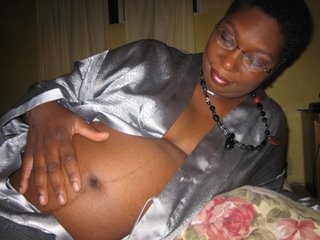
LaborPayne during her 6th homebirth (9th baby) at age 44

Saturday, March 12, 2011

CIMS- Day One


Yesterday was the first full day of the Coalition to Improve Maternity Services conference, here in Chapel Hill North Carolina. This is my first CIMS conference. I was recently elected to become a member of CIMS Leadership Team. I am honored to sit among such esteemed grey heads and not so grey heads of the movement as Michelle Kendell, Barbara Hotelling, Tami Michele, Victoria Macioce-Stumpf and Ruth Wilf. We had a day of board meetings on Thursday followed by a birthday party for Ruth Wilf to celebrate her 80th birthday! (That does it, I'm staying young and vibrant by keeping active and involved in my work- Ruth is my model for aging well. At 80 she is vibrant and engaging and shows no signs of slowing down. She still works as a midwife!) Last night I enjoyed a lovely Thai dinner with Robbie Davis Floyd, author of 'Birth as an American Right of Passage' and many other anthropological books on birth and midwifery. Its been great rubbing elbows with leaders in the field of maternal infant health and lactation advocacy.

For those who are unfamiliar with CIMS, it is a coalition of MCH groups that work toward the standard of 'mother-friendly' care here in the United States and abroad. If you don't know what that is, pop over to the website and check it out at http://www.motherfriendly.org/ This is the standard of care for childbearing women that we all should be striving towards. It will serve as the undergirding philosophy of care in my own birth center some day.

Yesterday I attended the following workshops:

Eugene Declercq, PhD, MBA, Professor and Assistant Dean for Doctoral Education, Boston University
Dr. Declercq spoke about improvements in maternity care initiatives over the past year. He talked a lot about all the good things happening with lactation and how we can apply some of the things the breastfeeding folks have done to maternity care. He spoke of the importance of having a unified message and being united among all our groups. He presented lots of research findings such as the uptick in homebirths, the decrease in VBACs, the increase in cesareans, and how childbirth is invisible in public policy. Overall, his presentation gave us some good news, some bad news, some ideas for improvement, and the importance of engagement- a good overall view and a nice start to the conference.

Lori Dorfman, DrPH, Director of Berkeley Media Studies Group
Dr. Dorfman spoke on how breastfeeding is currently framed and how those frames limit conceptions of what needs to change in soiciety to support breastfeeding. She basically says that telling women about the health benefits of lactation won't increase rates, but rather we need to systematically remove barriers that in hospitals, home, work, school, indeed in society that keep women from being succesful in lactation continuing for as long as they wish. She also framed lactation as a health equity problem. This lady was so right on. Her talk made me proud of my work on my local health commission where we tackle these exact types of barriers within healthcare systems and on a policy making level within city government.

Danielle Riggs and Bettina Lauf Forbes, from Best for Babes spoke on giving breastfeeding a makeover and showed examples and images from their breastfeeding PR campaign to make lactation more socially acceptable. They had some interesting ideas. I'm not sure if this is the makeover lactation is looking for or not. (Very slick, polished, model thin, body beautiful images, and slogans all nicely done, but appear to me to add to myths and misconceptions about women's bodies.) However all great deal of thier campaign is dedicated to many things Dr. Dorfman spoke about in removing institutional barriers which they call, 'beating the booby traps.' Check it out and decide for yourself at http://www.bestforbabes.org/

Barbara Morrison, RN, CNM, FNP, PhD Professor, Frances payne Bolton School of Nursing, Case Western Reserve University- Kangaroo Care for all and all for Kangaroo Care
Barb did a great job standing in for Susan Ludington when she discussed the benefits of skin to skin for term babies. I actually bumped into Barb the day before the conference when we rode in on the same airport shuttle. We discussed all things skin to skin (to the chagrin of our driver, I'm sure.) This was an informative session especially since folks tend to link Kangaroo Care with preemie care.

Geredine Simkins, CNM, MSN, President Midwives Alliance of North America
What Matters to Women, Matters to Midwives
This session was such a treat! We got a sneak peak at a soon to be published anthology published by one of my favorite people in the birth movement. This book is a collection of stories from 25 seasoned midwives. If the standing ovation Gera received at the end of her talk is any indication, this is going to be a fantastic read. Written in beautiful prose, Gera weaves the stories through such themes as courage, compassion, activism, and self-determination. Order an advance copy (like I intend to) at www.wisdomfrommidwives.com.

Hot Topics: Turning it Around
This session was a hodge podge of new developments in maternity care advocacy. Topics included legislative efforts for MOMS for the 21st Century Act www.thomas.gov/cgi-bin/query/z?c111H.R.5807: homebirth promotion at the state level via the MAMA (Mother and Midwives in Action) campaign www.mamacampaign.org We heard from Choices in Childbirth www.childbirthconnection.org and The Big Push for Midwives www.thebigpushformidwives.org

All in all this was a jam-packed day with so much good information I could hardly process it all. I so wanted to sneak away for an hour's nap but each session just seemed so tempting to pass up.

Tuesday, February 15, 2011

Preparations


My days have been filled with much activity. I'm taking three classes to complete my masters in May. I'm planning my return trip to Haiti, along with two national conferences to attend this year. I'm planning a nine day pilgrimage in Mexico next January. I have two speaking engagements to prepare for. I have been invited to sit on two more boards. I'm applying to a midwifery program to start next January(and praying it won't conflict too badly with the pilgrimage). I'm visioning my urban birth center. I'm just back from a romantic weekend getaway with my husband. I'm searching for a Parent's Day Out program for my 4 year old. I'm managing the schedules of 4 busy teenagers. I'm underwriting the college education of a nephew in whom I see potential. I'm reading Robers Rules of Order to be a more effective chairperson of whatever committee I happen to be chairing. I'm preparing for the next class I have to teach. I'm learning Spanish- and French Kreyol (Creole). I'm enjoying the dozen red roses that are sitting on my table. I'm contemplating a future of advocacy work, policy setting, clinical service, and teaching, and learning. I recently sat at the feet of my guru, Sr. Morningstar, to acknowledge my fears, failures, and successes, and purposed not to allow them to hinder the work ahead. I vow to be open to my own life... and to make more time for blogging.

Tuesday, January 18, 2011

Haiti Trip III

Plans are well underway for the third return to Haiti. I have applied for a two week stint at a birth center in Cap Haitien, Haiti. If accepted, I will work with Mama Baby Haiti living and working in their free standing birth center. I am planning this trip 1) to serve women and babies in Haiti, 2) as a reward to myself for graduating from my masters program in nurse education, and 3) to check out the facility as a possible option for my student midwifery preceptorship (I've also applied for midwifery school to begin next January) and 4) to begin to form my ideas about what my own birth center for my community will look like. I do believe that healthcare should be socially appropriate and fit the environment it is superimposed on. To that end, I will also be visiting Jennie Joseph in Florida (en route to Haiti) to personally experience the JJ Way system of prenatal care. The next two years will be filled with preparation and study for me. Stay tuned for more information about the Haiti trip. I don't plan to take a group this time- just me. However if others want to go concurrently with me, they can apply to the same birth center for the same time period. Also visit my Haiti website for updates on the trip.

Sunday, November 14, 2010

Lactation Consultants


I made the recent decision to become a lactation consultant. In 2012 the required criteria will change to become more stringent. I decided now was my chance to do it. I had most of the requirements already, save one. I need 500 hours of clinical time with a lactation consultant, following her, learning her trade. I need to complete those 500 hours in six months, the deadline for the lactation consultant exam. That's 80 hours a month, 20 hours a week, to eek out of my already packed schedule. I'm up for the challenge. I had my first full day last week with Charlene Burnett, a long time friend and lactation consultant. In one eight hour day, I followed Charlene as she taught two breastfeeding classes, one to inpatients, and one to outpatients. She was called to the pediatric clinic twice to do on the spot consultations with moms having breastfeeding troubles. She did morning and afternoon rounds on all the breastfeeding inpatients, consulted constantly with the staff nurses on their patients' status, and conferred with the quality improvement nurse on gathering breastfeeding statistics to document all her efforts. She also oriented me to the unit, processes, procedures, and culture of the floor. I've know Charlene for many years, but I've never seen her in her element. She was like poetry in motion, zipping from one place to the next, swooping in to save the day (or sore nipples as the case may be) her white coat standing in as her superhero cape. It was all so impressive seeing an expert, high functioning lactation consultant at work. I was actually brought to near tears, as I watched her work with an African-American young mother back in the Pediatric clinic with her week old infant. The young woman's mother hovered near by taking in every word, with a look of concern for both her daughter and infant grandson. Charlene asked the young woman questions to gauge her concerns, then asked to see her breastfeed her son. Charlene watched the woman nurse for a minute or so and asked more questions. The entire time in a low soothing tone, she also spoke to the infant, giving information about breastfeeding basics (of course this information was intended for the mother and grandmother, though she was addressing the infant- very cute). After asking permission to touch the woman's breast (as she was careful to do all day with every patient), she showed the woman how to more effectively position both her breast and her baby to prevent sore nipples. She had immediate positive results and you could see the relief on both the mom and grandmother's faces. She ended the visit with a few positive encouraging words. The entire visit was no more than 10 or 15 minutes, and yet this young mother had turned a corner. I had no doubt that that short visit would reap benefits in keeping this mother nursing her baby for a longer duration. She was more confident and empowered than the worried, anxious mother we had met when we entered the room. Charlene had even convinced the skeptical grandmother that her daughter could give her grandson adequate nutrition. Leaving the room with mother and baby happily nursing, we stopped at the desk for Charlene to give her report to the pediatrician. She explained in a few words what the problem had been and the tools she gave the mother to manage the situation. The pediatrician looked at her with gratitude and relief, and thanked her. She garnered respect from all her peers, it was clear that everyone saw the value in the service she offered. We quickly moved on to the next task at hand. During the outpatient class, three new moms sat around a table nursing their babies of varying ages and chatting excitedly about how their breastfeeding had evolved from the previous week. After each mom had shared, Charlene asked about their difficulties and then worked with each mom individually on her particular nursing issue while I chatted with the others about their baby's progress and development. She ended the class by giving each mom a gift before sending them on their way. (She had written a grant and used the money to purchase breast pumps, nursing pillows, fancy burp blankets, etc.) Later that same day, I watched as Charlene gave instructions to a Latina patient in Spanish (!) on getting her newborn on the breast. I loved getting an up close personal view on the impact an LC can have on the families she serves and her work environment.

Though I have no plans to work in the hospital setting, I'm looking forward to being able to provide this level of guidance and assistance to those who need it. My plans for my LC credential include educating staff nurses on breastfeeding basics, and breastfeeding supportive behaviors, and creating research to measure educational effectiveness for nurses. My research and experience has shown me that staff nurses in labor and deliver, nursery, or mother/baby are often the weakest link in the breastfeeding support chain. I'd like to dedicate my efforts to strengthening that link.

Tuesday, November 9, 2010

IPV

- A sweet young couple are laboring nicely for hours, until the husband leaves the room to go to the bathroom, whereupon, the woman clutches my hand, and pleads with me in a desperate whisper, "Please help me, he's threatening to take my baby from me."
-A refugee woman is slapped and pulled from the bed by her hair by her husband, just hours after giving birth.
-A young woman labors all night with premature labor, induced by a kick to the abdomen she received from her boyfriend. Though the baby is rushed to a high level neonatal intensive care nursery, he dies early the next morning.

These are just a few of the cases of Intimate Partner Violence I saw personally during my stint as a labor and delivery nurse. One of the things I found most shocking about my job, was how often I would interface with violence. It was not something I expected to encounter as a labor nurse. I quickly learned that if I was going to work with women, I was going to encounter occurrences of violence.

Intimate partner violence is defined as: violence that occurs between a victim and perpetrator who are current or former spouses or partners. The Center for Disease Control (CDC) recognizes four types of intimate partner violence:
  1. physical violence-the intentional use of force involving hitting, punching, kicking, etc.
  2. sexual violence-the actual or threatened use of force to compel a person to submit to sexual acts against their will, attempted or completed sex acts with a person unable to avoid participation, communicate unwillingness, or understand the nature of the act, and finally, abusive sexual contact
  3. threats of physical or sexual violence
  4. emotional abuse-use of humiliation, name calling, deliberate embarrassment, controlling their activities, isolating from family and friends, controlling or withholding resources including financial
  5. coercive control and intimidation- acts perceived as threatening or violent
The CDC website declares that "all women are at risk'' of intimate partner violence no matter their socieconomic status, education level, age, religion, ethnic or racial group, etc. In other words folks, you can't tell by looking. My experience taught me that. My biases had me keeping an eye on the refugee women with their submissive social structures and missing completely the educated middle class couple with the controlling husband. To become better at detecting IVP and intervening with needed resources, I had to learn that no one is 'risked out' and that every woman in my care should be screened for domestic abuse.

For maternal and fetal health, the consequences of undetected IVP can be grave:
-miscarriage (less than 20 weeks gestation)
-infant injury or death from maternal trauma (more than 20 weeks gestation)
-maternal stress and depression
-self medicating with smoking, drug use, alcohol (all linked to poor infant outcomes)
-decreased or delayed prenatal care (also linked to poor outcomes)
-maternal injury and death
-child abuse or children witnessing abuse

Unfortunately the cost of intimate partner violence doesn't stop there. The Women's, Infants, and Children's Health Committee that I co-chair recently published a report on the literal costs of domestic violence in our city. A 'point in time' survey was sent out to law enforcement, healthcare agencies, shelters, the courts and other agencies to determine the services and fees provided related to domestic violence in a 24 hour period. The total estimated costs of domestic violence for one day in our city was $61,000, or an estimated 2 million dollars a year! About 94% of the funding was provided in services to victims, the other 6% in perpetrator expenses. Of those receiving services for violence, about 6% were pregnant. This cost of IPV snapshot was quite eyeopening.

When I attended the obstetrical complications workshop last week, Ms. Otemba reviewed the following information important for nurses who are on the front lines of assessing for IVP.

Cues to IVP
- delayed prenatal care
-noncompliance to therapeutic regimens
-frequent ER visits
-controlling partner
-somatic complaints (headaches, pain, fatigue, stress)
-fearful, evasive affect
-characteristic injury pattern (head and neck, torso, different stages of healing)

Assessment
Appropriate assessment means universal screening for every patient. Let the patient know that you ask every patient these questions and they should be asked in private without any family members presents.
"Within the year, have you been hit, slapped, kicked or otherwise physically hurt by someone? Since you've become pregnant? Has anyone forced you to have sexual activities?"

While these questions are appropriate to ask every patient, to get patient disclosure we have to create an environment where it is safe to disclose. Privacy, brevity (the abuser may be lurking near by), trustworthiness, nonjudgmental attitude, acceptance are all a part of what we have to offer patients in order to facilitate disclosure. Most healthcare providers may have discomfort asking these questions, or may not know what to do if the answer is yes. It is important to have a plan.

Supportive Intervention

You ask your patient with suspicious injuries if she has been beaten, and she answers, 'yes'. Now what?

-Emergency management: It's imperative to know your community resources. Here in my city, we have the Bridge SPAN (Safe Patient Advocacy Network) program. Our local shelters work closely with the hospitals so that through Bridge, with just a phone call from the nurse (or any staff member) a shelter counselor will be dispatched to the hospital 24/7 to offer shelter, police protection, orders of protection, counseling, case management, and child protection and other needed emergency services.
-Validation: "You do not deserve to be afraid, controlled, threatened, or hurt." The patient may need repetitive validation to understand that it was not her/his fault and that they do not deserve such treatment.
-Evaluate the severity: There are many tools available. In our area, agencies are encouraged to use the Lethality Assessment Program to determine the level of danger a patient might be in. This will help to determine the appropriate interventions.
-Education: often control has been establish by lies and deceit. Patients need to know the facts about their situation and what their rights really are.
-Referrals to ongoing community care and support such as legal services and support groups.

Recently, I met with a woman who has left an abusive relationship after many years. Her abuse was revealed to me during care provided for one of her pregnancies. When she felt it was safe to do so, she planned an escape that was two years in the making. When the opportunity came to flee safely, she took her children and left, with a well executed plan in place. They have remained safe from their abuser for a number of years. Talking with her about her situation reminded me, that there is hope for a life beyond the violence, if we are all willing to do our part.


Center for Disease Control: Intimate Partner Violence in Pregnancy. Retrieved 11/8/10. http://www.cdc.gov/reproductivehealth/violence/IntimatePartnerViolence/sld001.htm#10

Otemba, J. (2010). Complicated Pregnancies; implications and management. PESI healthcare. Workshop presented on 11/5/10 in Lenexa KS.

Kansas City Health Commission. Estimating the costs of domestic violence in the Kansas City area: a report on the 2009 domestic violence, point in time survey for the greater Kansas City area. Women's, Infant's, and Children's Health Committee, and the intimate Partner Violence Subcommittee. Approved and issued on 10/1/2010.

Saturday, November 6, 2010

Solving the Mystery of Preeclampsia

As a storyteller myself, there are few things I love more than a good story, even more so if it is a good medical mystery. I recently attended a day long continuing education seminar on pregnancy complications presented by Jamie Otremba CNM. I found both her style and content very appealing, but my best and juiciest learning came during the segment on preeclampsia (the segments on domestic violence and late pretermers were very good also). Ms. Otremba gave me my money's worth when she wove an intriguing tale about a bright young nephrologist whom about a ten years ago noticed something very familiar looking about the kidney lesions he noted in the pregnant women with preeclampsia that he treated. His investigations led him to discover the pathogenesis of preeclampsia. Ms. Otremba regaled us with the story of his adversity as he tried to get attention for his very important discovery- outside of his specialty area. So intriguing was the tale of Ananth Karumanchi that I decided to do a little detective work of my own. I started with the article in New Yorker magazine that Ms. Otremba mentioned.
A physician and staff writer by the name of Jerome Groopman published an article in 2006 in New Yorker magazine finally giving Ananth Karumanchi broad exposure to his work. Theories about preeclampsia abounded, but the true cause continued to allude the scientific community. For those who are unfamiliar, preeclampsia is a disease of pregnancy that manifests as high blood pressure (greater than 140/90) and proteinuria (protein in the urine). Edema (swelling) and neurological changes such as visual disturbances and hyperreflexia (brisk reflexes) can also occur. If left unabated, preeclampsia can lead to seizures (a condition called eclampsia) and liver damage caused by HELLP syndrome (hemolysis, elevated liver enzymes, and low platelets). The only known cure is removal of the placenta (delivery of the infant), at which point, the symptoms quickly reverse, and the woman gets better (if no permanent organ damage has been done to the liver or kidneys). If preeclampsia manifests late in pregnancy (as it most often does), a preterm infant is delivered. If it manifests in early pregnancy, the fetus may have to be sacrificed for the mother's wellbeing.
It was known that the placenta was the crux of the problem, but how? Groopman details how Karumanchi's careful research isolated two anti-angiogenic proteins (they prevent blood vessel growth) made by the placenta. These proteins, serum fms-like tyrosine kinase 1 (sFlt1) and soluble endoglin (s-Eng) are made by the placenta to control placental growth, and counteract the effects of pro-angiogenic proteins, vascular endothelial growth factor (VEGF) and placental growth factor (PIGF). In preeclampsia the sFlt1 and s-Eng overwhelm the maternal blood stream and cause blood vessel damage throughout leading to widespread vascular permeability and increased vascular resistance. The sFlt1 ultimately causes the hypertension (high blood pressure) and the s-Eng is responsible for the decreased platelets and liver damage seen in the more severe forms of the disease. The amount of these substances increase over time which explains why this is mostly a disease of late pregnancy. It appears to come out of the blue, but in fact the placenta was damaged from the beginning.
Following conception when the fertilized ovum (egg) is a blastocyst (about 100 cells) and starting to imbed itself in the uterine wall (the decidua) small fingerlike protrusions called trophoblasts (precursors of the placenta) grow into the decidua and reorganize uterine spiral arteries in order to set up a good blood supply for the developing fetus. In preeclampsia, this invasive network of trophoblasts and spiral arteries is incomplete, and sets in motion the abnormal release of anti-angiogenic factors leading to ongoing placental insufficiency for the fetus, and vascular insufficiency for the mother, both of which manifest increasing damage as the pregnancy progresses.
Karumanchi after several attempts, was able to publish his findings (increased levels of sFlt1 and s-Eng in the blood stream of women with the disease) in scientific journals and now heads a prestigious lab at Beth Israel Deaconess Medical Center in Boston, complete with government funding. Dr. Karumanchi and his team are now hard at work on what seemed impossible 20 years ago, a treatment for preeclampsia. His research also has implications for cancer treatment interestingly enough, since tumors, like fetuses are dependent on diverting and establishing rich vascular networks.
Preeclampsia and eclampsia continue to plague African-American women at higher rates along with diabetic women and women with preexisting hypertension, obesity, or previous preeclampsia. Those older than 35 and younger than 18 (of all races) are also at a higher risk. No one is sure why, but theories abound. There is still much about this disease that is a mystery.
Last week, my friend Dotty's daughter-in-law delivered a baby boy at 36 weeks due to induction for preeclampsia. She was not in any of the high risk categories. I assured my friend that for preeclampsia, induction is often indicated. Dotty remarked on the small placenta, and the feeding difficulties that are typical for late preterm gestation (more on that in a later post). I am delighted to see inroads being made. They are looking not only at methods of treatment, but early diagnostic tools as well (though the discovery was made 10 years ago and there are still no medications or biologic markers on the market, but I understand that these things take time). I suppose we are all still waiting for the happy ending to this story.

Narrative Report of Research Activities in the Karumanchi Laboratory

Role of angiogenesis in the pathogenesis of preeclampsia (PE) (currently the major focus of the laboratory): Our laboratory has identified sFlt-1, an antagonist of circulating vascular endothelial growth factor (VEGF) and placental growth factor (PlGF), from preeclamptic placentas and has confirmed that it is released into the blood stream in vast excess in patients with preeclampsia. Exogenous administration of sFlt-1 into pregnant rats reproduces the phenotype of preeclampsia, namely proteinuria, hypertension and glomerular endotheliosis, the classic lesion of preeclampsia. These observations suggest that excess circulating sFlt-1 contributes to the pathogenesis of preeclampsia. We have also demonstrated that circulating sFlt-1 and PlGF levels can be used for the clinical diagnosis and the prediction of preeclampsia. Work is in progress to understand the regulation of sFlt-1 production by the cytotrophoblasts of the placenta. We are also testing the effects of antagonizing excess sFlt-1 with growth factors and small molecule compounds in our animal model of preeclampsia with the goal of finding novel treatment options for this disease. Additionally, we are currently characterizing other gene products that are elevated in preeclampsia and which may be synergistic to sFlt-1 in the pathogenesis of preeclampsia and may serve as biomarkers for the early diagnosis of preeclampsia. This project is part of our interest in studying the contribution of endothelium in the pathogenesis of proteinuria and other vascular diseases.

Groopman, J. (2006). The preeclampsia puzzle: making sense of a mysterious pregnancy disorder. The New Yorker.

Karumanchi, S.A., et el. (2008). A longitudinal study of angiogenic and anti-angiogenic factors in normal pregnancy and patients destined to develop preeclampsia and deliver a small )for gestational age neonate. The Journal of Maternal-Fetal and Neonatal Medicine. 21(1). 9-23.

Levine, R.J., Qian, C., Maynard, S.E., Yu, K.F., Epstein, F.H., Karumanchi, S.A. (2006). Serum sFlt1 concentration during preeclampsia and mid trimester blood pressure in healthy nulliparous women. American Journal of Obstetrics and Gynecology. 194(4). 1034-41.

Silasi, M., Cohen, B., Karumanchi, S.A., Rana, S. (2010). Abnormal placentation, angiogenic factors, and the pathogenesis of preeclampsia. Obstetrics and Gynecology Clinics of North America. 37(2): 239-53.

Staff, A.C., Braekke, K., Johnsen G.M., Karumanchi, S.A. (2007). Circulating concentrations of soluble endoglin in fetal and maternal serum and in amniotic fluid in preeclampsia. American Journal of Obstetrics and Gynecology. 197(2). 176-8.


Friday, November 5, 2010

Welcome to the new and improved LaborPayne Epistles

Welcome to the new look and mission of the LaborPayne Epistles. While I am in graduate school and preparing for the IBLCE exam, I will use this blog to discuss maternal infant health issues relevant to current practice and culture. My goal is to stimulate thought and discussion on topics that impact patient outcomes, through weekly postings of selected topics. I invite your thoughts and ideas.